



































Invicta Motors
How do hybrid cars work? Full hybrids, mild hybrids and plug-in hybrids explained
How does a hybrid car switch between petrol and electric power? An onboard computer manages the energy flow, deciding when the electric motor helps, when the engine takes over and when the battery is topped up. That is why a hybrid can feel different from a petrol car, and why the system type matters when you choose one.
If you are wondering how do hybrid cars work, hybrid cars combine a petrol engine with an electric motor and a battery. The mix changes according to the type of hybrid. Some recharge themselves while driving, while others are designed to be plugged in regularly.
If you want to understand a hybrid, start with the energy flow: capture, store and use. That is usually more useful than focusing only on electric-only running, because many UK drivers are dealing with stop-start traffic, mixed journeys and, in some cases, home charging. Once you know where the battery energy comes from, the rest of the system is easier to follow.
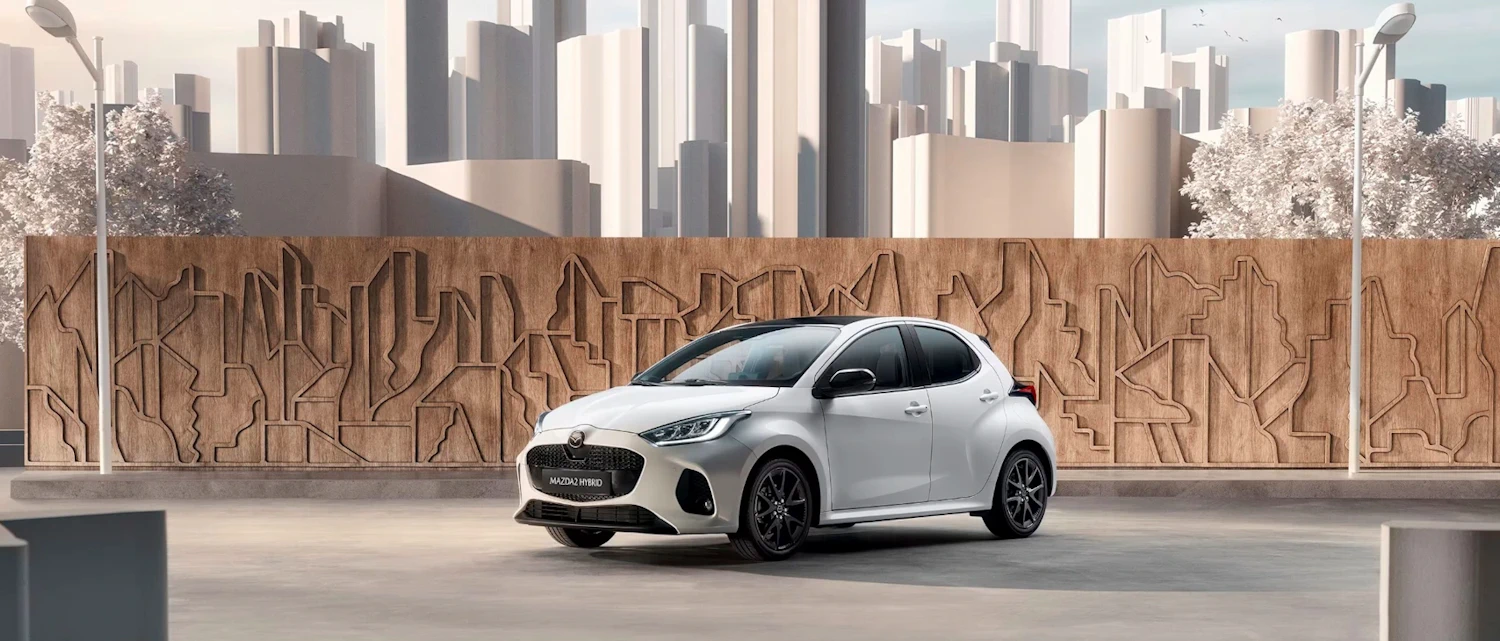
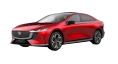
Mazda 2 Hybrid
What is a hybrid car?
A hybrid uses at least two power sources, usually a petrol engine and one or more electric motors. The battery stores electricity for the motor, and the car's control system decides how the work is shared. That can mean electric assistance at low speeds, engine drive when conditions suit or both power sources working together.
The electric side is there to improve efficiency. The engine still provides the range and refuelling convenience most drivers already know.
A self-charging hybrid, often called a full hybrid or hybrid electric vehicle (HEV), does not need to be plugged in to recharge. It recovers energy while you drive, then stores it for later use.
A plug-in hybrid works differently. It has a larger battery and can be charged from a home wallbox or a public charger, so it can run further on electric power before the engine joins in. A mild hybrid is simpler again, because it uses a smaller battery and electric motor to support the engine rather than drive the car on electricity alone.
Learn more about the current CHERY range with Invicta Motors if you want to compare electrified models in person.
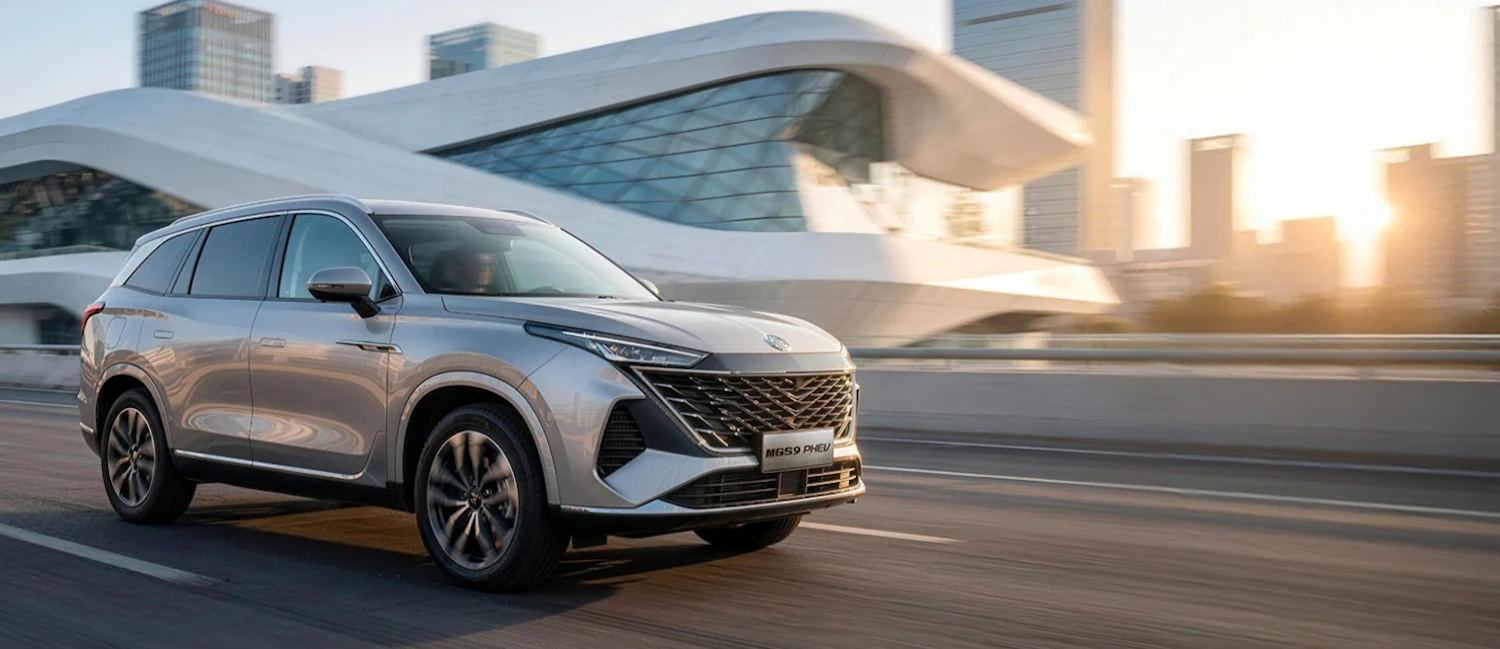
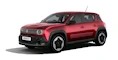
MGS9 Plug-in Hybrid
How do hybrid cars work on the road?
The handover between petrol and electric power usually happens without much fuss. You do not pull a lever or press a special button. The car manages it for you.
Here is the basic sequence in everyday driving:
- Pull away from rest and the motor may help the engine.
- Cruise gently and the car may use electric support to keep the engine in a more efficient range.
- Lift off or brake and the motor can act as a generator.
- Slow down in traffic and the car may recover energy rather than waste it as heat.
- Need more power and the engine and motor can work together.
In city traffic, the system can spend a lot of time managing small changes in speed, which is where hybrid technology often feels most natural.
The exact behaviour depends on the hybrid type. A mild hybrid mainly smooths the engine's workload. A full hybrid can move on electric power for short periods. A plug-in hybrid can rely much more on its battery when it is charged.
The car does not follow one fixed pattern. The control system keeps choosing the most efficient option available at that moment.
Mild hybrid, full hybrid and plug-in hybrid
The three types are often grouped together, but they do different jobs.
- Mild hybrid: supports the engine, but does not usually drive the car on electricity alone for meaningful distances
- Full hybrid or HEV: can move on electric power at low speeds or for short periods, then blend with the engine
- Plug-in hybrid: can be charged from the mains and usually offers the most useful electric-only driving
A mild hybrid suits drivers who want a small efficiency gain without changing how they refuel. A full hybrid sits in the middle, with automatic charging and a little more electric capability. A plug-in hybrid suits drivers who can charge regularly and want to cover more short trips on electricity.
The difference is practical as much as technical. If you cannot charge at home, a self-charging hybrid may make more sense. If you can plug in regularly, a plug-in hybrid gives you more electric running.
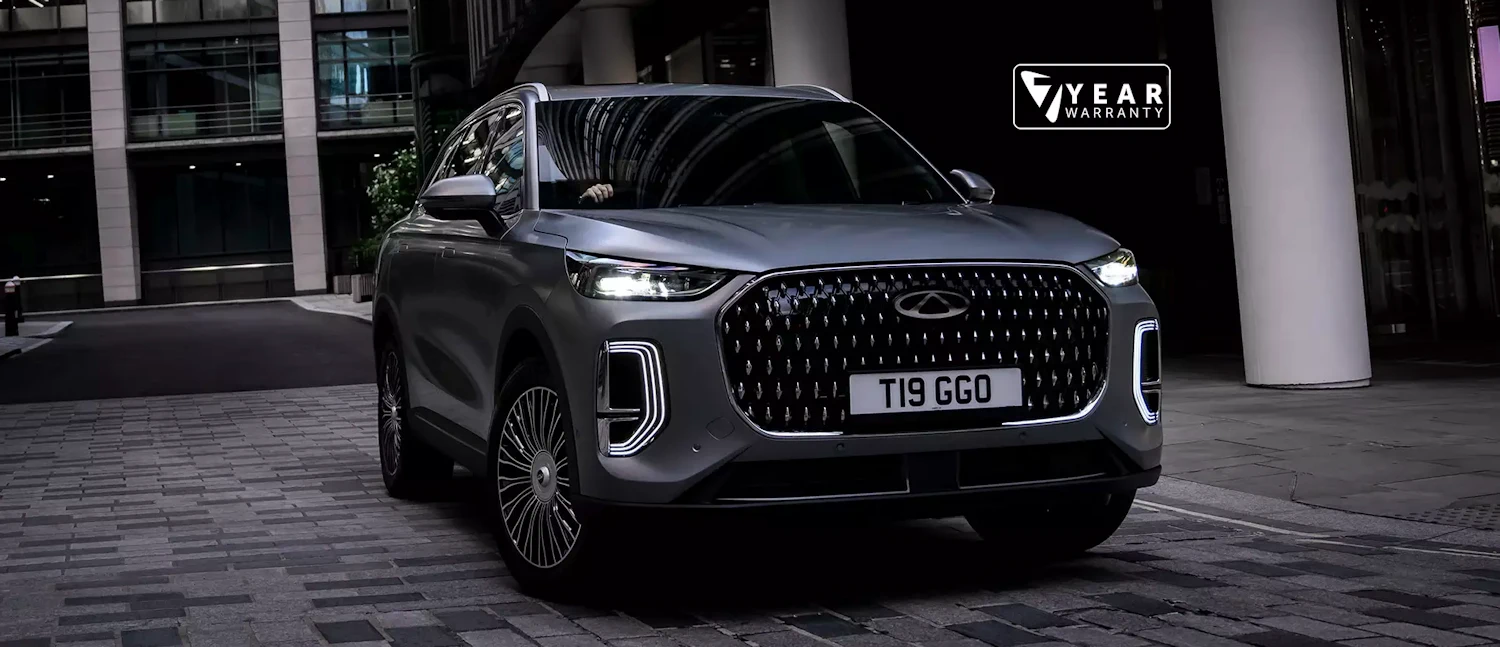
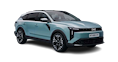
Chery Tiggo 9 SHS
How do hybrid cars charge?
Regenerative braking is the main part of the process. When you slow the car, the electric motor can work as a generator and capture some of the kinetic energy that would otherwise be lost as heat in the brakes. That energy is then stored in the battery and used later.
On a self-charging hybrid, the engine can also help recharge the battery. That is why you do not need to plug in a full hybrid to use it as intended. The car recharges through driving, braking and engine management.
Plug-in hybrids add another route. You can charge them at home or at a public charger, and Honda's guide to hybrid batteries and charging explains familiar power bands as slow up to 3kW, fast at 7–22kW, rapid at 25–99kW and ultra-rapid at 100–350kW, with the slowest chargers taking around 5 hours in some cases (Honda, Guide to hybrid batteries and charging: https://www.honda.co.uk/cars/blog/article/hybrid/Guide-to-hybrid-batteries-and-charging.html, checked 11 November 2026).
That does not mean every plug-in hybrid accepts every charger at every speed. Charger power affects how long you wait, and the car's own charging limits matter too. For day-to-day use, the more often you can charge a plug-in hybrid, the more electric driving you are likely to get.
Why hybrids still make sense
A hybrid can suit drivers who do not want to rely on public charging, or whose routine mixes short trips with longer motorway runs. It still drives like a normal car when the battery is low. For many UK drivers, that makes it easier to live with than a full EV.
It is also a useful middle ground if you are comparing hybrid cars and electric cars side by side. A hybrid gives you some electric driving without making charging the centre of the whole routine. A plug-in hybrid sits between the two, which is why it helps to understand how do hybrid cars work in daily use before you choose.
See the car in person with Invicta Motors and compare the latest specification, availability and offers before you decide.
Ready to pick the right hybrid for your driving?
Start with your daily mileage, then think about where the car will charge and how often. If you cannot plug in, a mild or full hybrid is usually the better fit. If you can charge at home, a plug-in hybrid may suit your routine better. The right choice is the one that matches how you actually drive.
Frequently Asked Questions
Do hybrid cars need to be charged?
Do plug-in hybrids still charge while driving?
At what speed does a hybrid switch to petrol?
Can you still drive a hybrid if you run out of electric charge?
What are the disadvantages of a hybrid car?
Sources: AFDC Energy; BYD.com; RAC; ; Honda.co.uk.
Prices, range, charging and efficiency figures can change, and real-world results vary with version, conditions and use. Confirm the latest specification before you buy.