






The complete UK guide for 2026
Electric Car Batteries Explained
How long do EV batteries last? What does battery health really mean? Where can you charge—and what protection do you receive when buying new or used? This practical guide answers the questions drivers search for most.
Across more than 8,000 used EV and PHEV battery assessments analysed by Generational during 2025.
Modern electric-car batteries are proving more durable than many drivers expect. Age and mileage matter, but an individual battery-health test provides far more useful evidence than assumptions alone.
Battery lifespan and degradation
How Long Do Electric-Car Batteries Last?
EV batteries gradually lose a proportion of their usable capacity, but the latest UK evidence shows that degradation is generally slower than many prospective buyers fear.
Generational’s 2025 Battery Performance Index analysed more than 8,000 electric and plug-in hybrid vehicles from 36 manufacturers, covering vehicles up to 12 years old and mileages exceeding 160,000.[1]
The average battery State of Health across the vehicles tested was 95.15%. Vehicles aged eight to nine years retained around 85% median capacity, while examples exceeding 100,000 miles frequently recorded between 88% and 95% State of Health.[1]
That does not mean every battery ages identically. Temperature, charging habits, storage, software, battery chemistry and the way a vehicle has been used can all influence condition. Variation between individual cars becomes more important as they age—which is exactly why a proper battery-health assessment is valuable when buying used.
A battery at 90% State of Health has not “lost 10% of the car”. It means the battery’s estimated usable energy capacity is around 90% of its original usable capacity. The effect on real-world range also depends on weather, speed, tyres, heating, load and driving style.
Why drivers choose electric
The Everyday Benefits of Going Electric
The strongest reason to choose an EV is not one single saving or specification—it is how the complete ownership experience fits your journeys.
Start Each Day Ready for the Journey
For many drivers, the biggest change is not the car itself—it is the routine. Home charging can turn parked time into useful charging time, while quiet performance and fewer routine drivetrain service items can make daily ownership feel simpler.
Smooth Performance
Electric motors deliver immediate response without waiting for an engine or gearbox to build revs, making town driving relaxed and overtaking more predictable.
Charge at Home
Drivers with suitable parking can begin most days with the charge they need, reducing reliance on fuel-station stops for routine journeys.
Quiet and Refined
With no combustion engine running, EVs are particularly calm at low speeds and in traffic, although tyre and wind noise remain at higher speeds.
Fewer Service Items
There is no engine oil, exhaust system or conventional clutch. EVs still require servicing, but their drivetrains contain fewer routine mechanical service components.
Used EV Battery Assessment
Battery State of Health
An example presentation only. The actual certificate is specific to the individual vehicle tested.
Used EV confidence
How Invicta Tests Used Electric Cars
Invicta Motors uses Generational battery diagnostics on eligible used electric and plug-in hybrid vehicles to give guests clearer evidence about the most valuable component in the car.
Charging in the UK
Where and How Can You Charge an Electric Car?
Most drivers use a mixture of home, destination and rapid charging. The best pattern depends on your parking, mileage and the routes you regularly travel.
Home Charging
A dedicated wallbox is often the most convenient option for overnight charging. Compatible vehicles can schedule charging around suitable off-peak tariffs.
Destination Charging
Workplaces, hotels, shops, leisure centres and public car parks can add useful range while the vehicle would already be parked.
Rapid Charging
Rapid and ultra-rapid chargers support longer journeys. Actual speed varies with the vehicle, charger output, battery temperature and starting charge level.
Long-term reassurance
Electric and High-Voltage Battery Warranties
Battery warranties provide important protection, but the exact coverage, capacity threshold, exclusions and servicing obligations are defined by each manufacturer’s terms.
Battery Protection Beyond the Showroom
Most high-voltage battery warranties across the Invicta electric range extend beyond the standard vehicle warranty. Coverage is designed to protect against eligible battery faults and, for several brands, excessive loss of usable capacity.
Check the current model warranty booklet for battery-specific capacity, mileage and usage conditions.
Capacity cover applies below 70% of the original value, subject to the complete terms.[6]
Eligible coverage can restore battery capacity to at least 70% of the original level.[7]
Eligible coverage can restore battery capacity to at least 70% of the original level.[8]
Subaru separately lists battery, paint, corrosion and roadside-assistance cover for Solterra.[9]
Relevant to the current Super Hybrid range; eligible capacity coverage can restore the battery to at least 70%.[10]
Warranty summaries are provided as a guide. Always check the warranty handbook for the specific model, registration date and intended use. Taxi, rental, driving-school, courier and other commercial use can have different limits.
Electric cars at Invicta Motors
Explore Our Current Electric-Car Range
Invicta represents several distinct electric-car brands, from accessible hatchbacks and family SUVs to long-range saloons and performance-focused models.
Five Distinct Ways to Go Electric
From the award-winning MG4 EV and long-range Mazda6e to electric family SUVs from OMODA, JAECOO and Subaru, our current range gives guests a choice of hatchback, saloon and SUV body styles.
MG4 EV and More
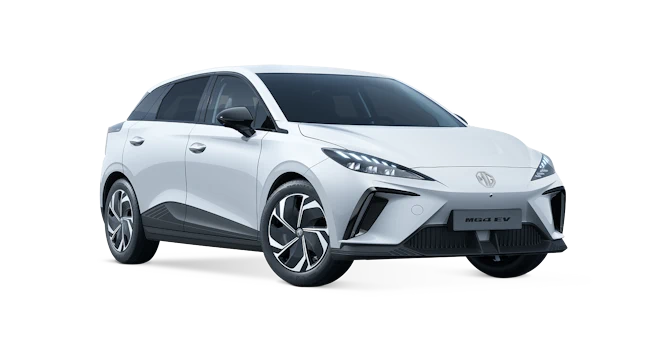
Explore the MG4 EV, MG4 EV Urban, MGS5 EV, MGS6 EV and MG IM range through Invicta Motors.
Explore MG4 EV →Mazda6e
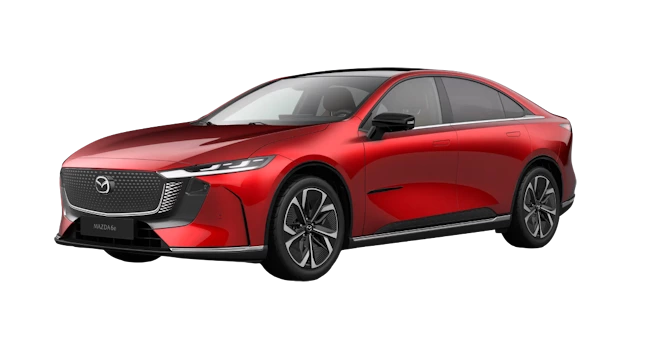
A sleek electric saloon with rear-wheel drive, fastback styling and up to 348 miles of WLTP range.
Explore Mazda6e →OMODA 5 EV
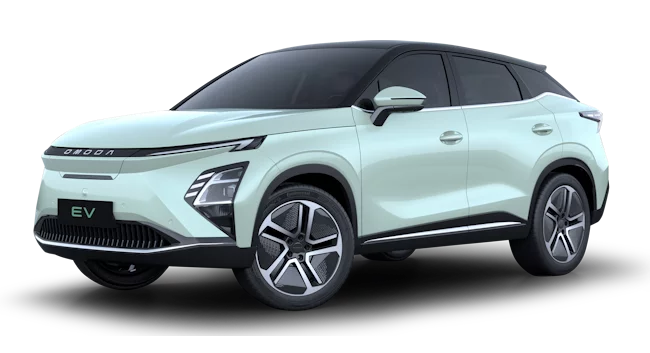
A practical family SUV with a 61kWh battery and a modern connected cabin.
Explore OMODA 5 EV →JAECOO J5 EV
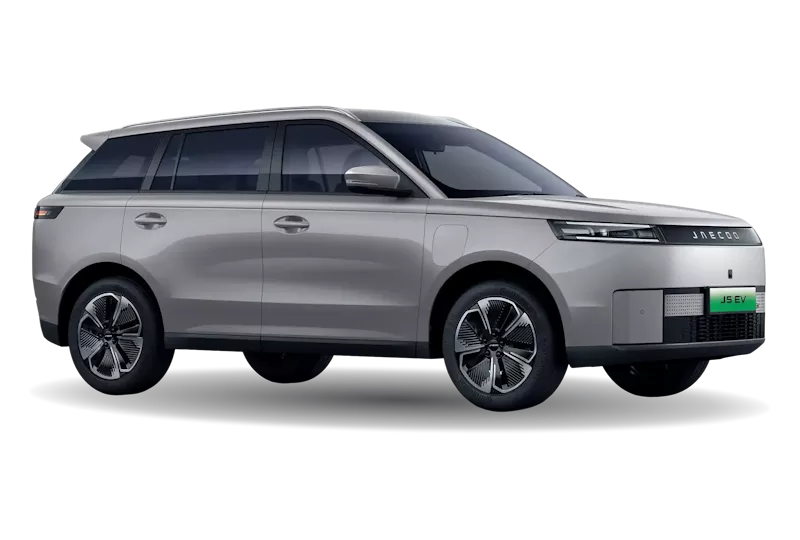
An all-electric compact SUV combining upright styling with everyday practicality.
Explore JAECOO J5 EV →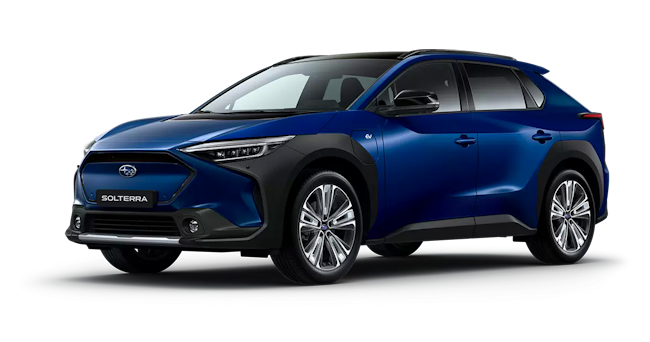
Subaru Solterra
A dual-motor electric SUV pairing permanent all-wheel drive with reassuring all-weather ability.
Explore Subaru Solterra →Electric-car questions answered
Frequently Asked Questions
Clear answers about EV battery lifespan, charging, warranties and used-car battery testing.
How long does an electric-car battery last?
There is no single expiry date. Battery condition depends on age, temperature, charging history, mileage and use. Generational’s analysis of more than 8,000 UK battery assessments found an average State of Health of 95.15%, with eight-to-nine-year-old vehicles retaining around 85% median capacity.
What does EV battery State of Health mean?
State of Health, usually shortened to SoH, estimates the battery’s present usable capacity compared with its capacity when new. A reading of 90% means the battery is estimated to retain about 90% of its original usable capacity.
Does a lower battery-health percentage make an EV unsafe?
Not necessarily. State of Health mainly describes remaining usable capacity. Safety, fault codes, cell balance and the vehicle’s wider mechanical condition are separate considerations. That is why battery diagnostics should complement, not replace, a proper vehicle inspection.
How does Invicta Motors check used electric-car batteries?
Invicta uses Generational battery diagnostics on eligible used electric and plug-in hybrid vehicles. The assessment can provide a battery State of Health certificate and supporting condition data. This sits alongside the vehicle’s normal preparation and safety inspection.
Is frequent rapid charging bad for an electric-car battery?
Modern EVs actively manage battery temperature and charging speed. Rapid charging is useful for long journeys, but slower home or destination charging can be gentler for regular use. Follow the manufacturer’s guidance and use the charging limit controls supplied with the vehicle.
How many public electric-car chargers are there in the UK?
The Department for Transport recorded 119,080 public EV chargers on 1 April 2026, including 27,372 rated at 50kW or above. The department’s monthly public-charger tables have since been updated through July 2026.
Can I charge an electric car if I do not have a driveway?
Yes. Options include on-street charging, public hubs, supermarket and retail chargers, workplace charging and destination charging. Government support is also available for some renters, flat owners and households with on-street parking.
Do electric cars still need servicing?
Yes. Electric cars have fewer conventional engine components, but brakes, tyres, suspension, cooling systems, software, cabin filters and high-voltage systems still require inspection and maintenance in line with the manufacturer’s schedule.
Sources and Further Reading
Find the Right Electric Car for You
Explore new electric models, compare current stock or search used EVs with additional battery-condition evidence available on eligible vehicles.